
California’s Packaging Regulations Near the Finish Line…but legal and operational headwinds gather…
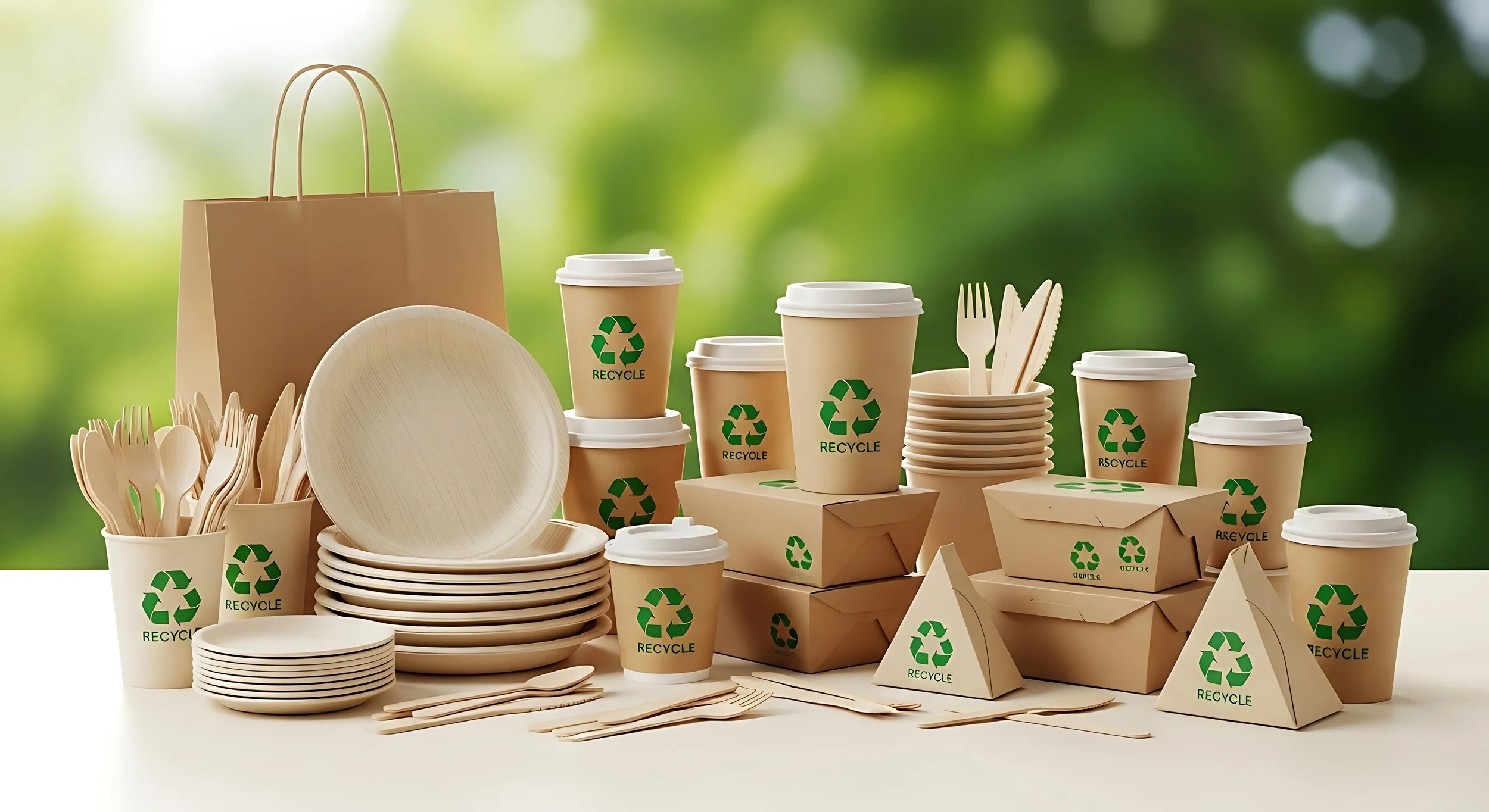
Extended Producer Responsibility (EPR) programs shift the financial burden of packaging waste directly onto producers. For companies, this means packaging redesign, ROI analysis and cost modeling, supply chain adjustments, and compliance exposure, particularly for businesses operating across state lines.
After more than three years of rulemaking, revisions, and industry pushback, California’s regulator, CalRecycle, may now be close to finalizing one of the nation’s most ambitious EPR frameworks – SB 54. This is not a marginal policy shift; SB 54 represents one of the most significant packaging overhauls in the country.
Are the regulations perfect? Hardly.
Legal Risk is Real
The scope of SB 54 may invite legal challenges. Events in Oregon offer timely illustrations. Earlier this month, a federal district court granted a preliminary injunction in favor of the National Association of Wholesaler-Distributors (NAW), allowing constitutional challenges to that state’s EPR law to proceed.
Such cases do more than stall one program. They preview the arguments that may surface elsewhere, particularly where EPR regimes are perceived to burden interstate commerce unevenly.
Legal challenges may also surface from California’s formidable food and agriculture sector. Western Growers urged its roughly 2,400 members to weigh in and provide feedback to CalRecycle on the revised language, which narrowed exclusion pathways for fresh produce packaging. For growers operating on thin margins and competing across state lines, the narrowing of exclusions may represent not just compliance costs, but a competitive disadvantage.
Operational Complexity Remains
The final draft regulations remain dense and intricate. Companies across industries will still struggle to determine the scope of their obligations.
Circular Action Alliance (CAA), the Producer Responsibility Organization (PRO) for California, faces a formidable implementation challenge: translating the regulations into guidance that businesses can realistically execute.
What Should Companies Expect?
SB 54 may be imperfect, but it represents a decisive move toward a circular economy. Companies can expect CalRecycle to continue advancing the framework, even as legal questions and operational complexities are worked through.
Forward-looking companies are not waiting. They are reviewing current packaging formats to understand costs and compliance implications and developing multi-year strategies with clear pathways to reduce EPR costs at the source.
